How to do a ski season: what 153 days at Whistler taught me

Stephen Phillips
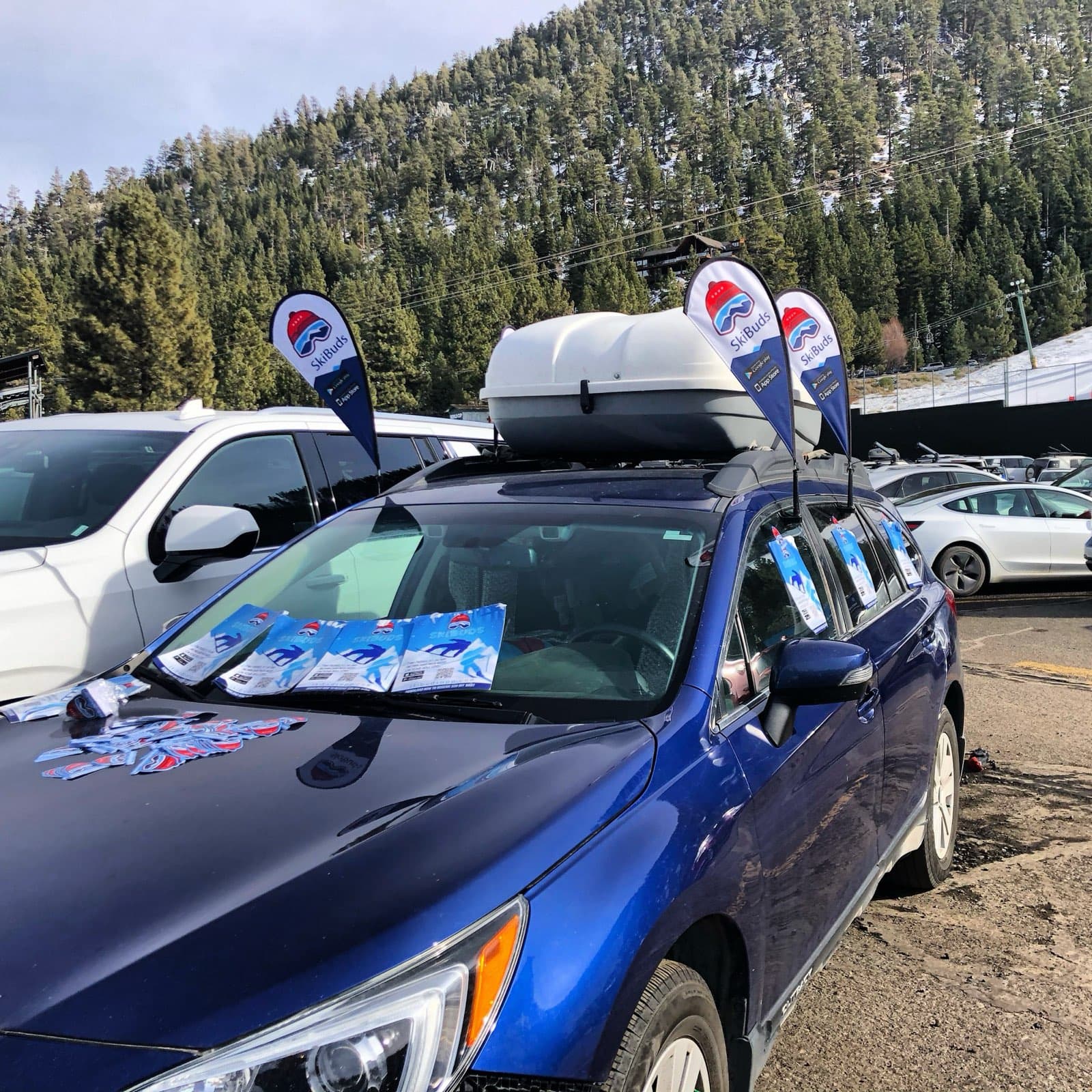
In the 2018/19 season I rode 153 days at Whistler. I lived in a four-bed dorm room, talked to strangers on every chairlift, and built the first version of SkiBuds between ski days. The season after, I moved to Colorado with one of my best friends, Michael, and rode 114 more.
People ask me how to do a ski season like it is one big decision. It is really five or six small ones, made in the right order. Get those right and the season takes care of itself. Get them wrong and you spend January stressed about rent instead of watching the forecast.
This is what I would tell anyone thinking about a season, whether you call it a gap year, a sabbatical or just being a ski bum for a winter.
1. Pick the mountain before anything else
Everything else depends on where you are. Housing, jobs, the pass you buy and the people you meet all come from the mountain you choose. Ask yourself a few honest questions:
- What terrain will you actually ride every day? A mountain famous for its steeps is less fun if you spend most days on groomers. The resort guides break down terrain by ability for 115 mountains.
- How reliable is the snow? A season is long. A mountain that gets steady storms all winter beats one that is great in a big year and thin in a dry one. How to read a ski resort snow forecast explains what the numbers mean.
- Is there a town? You will be living there, not visiting. Groceries, a laundromat, somewhere to sit with a laptop and a bar where people know each other matter more than you think by February.
- Can you legally work there? If you are crossing a border, sort this first. For Canada, many people from eligible countries go through the Government of Canada's International Experience Canada working holiday program. Check the official rules for your country well before the season.
The region guides for British Columbia, Colorado, Utah, California, Oregon and Vermont are a good place to compare.
2. Sort housing early, and pick your people
Housing is the hardest part of a ski season in almost every mountain town, and it gets harder the closer you get to opening day. Start looking early.
Here is something most people do not know: SkiBuds did not start as a way to find people to ride with. The very first idea was helping people find others to share accommodation with. That came straight out of my own season. Living in a four-bed dorm was cramped, but a lot of the ideas behind the app came out of conversations in that room. The people you live with often become your crew, your carpool and your powder alarm.
- Look early. The best shared houses go before the season starts.
- Talk to your roommates before you sign. Ask what time they get up on a powder day. You will learn a lot.
- Read the lease. Know the deposit, the length and what happens if the season ends early.
- Never send money for a place you have not seen, or that someone you trust has not seen for you.
3. Figure out how you will pay for it
There are really three ways people fund a season, and you can mix them:
- Work at the mountain. Resort jobs are the classic route, and many come with staff skiing benefits. Ask exactly what is included and when you can ride, because a job that puts you indoors every powder morning is a hard trade.
- Work in town. Restaurant and bar shifts that start in the evening leave the mornings free. That is the whole idea.
- Bring your work with you. I built SkiBuds in my free time while working full time as a web developer. Remote work makes a season possible for a lot more people, but be honest about it: a laptop job still needs hours, and the snow does not care about your deadlines.
Then cut the costs you can control. Buy your pass early, since season passes are usually cheapest well before the season starts. Share the drive and the parking; how to plan a ski carpool covers the logistics. Fix and tune your own gear, and check it before opening day with the season prep guide.
4. Look after your body like it is your job
A hundred-plus days is a lot of load on your knees, back and shoulders. The difference between a great season and a season that ends in February is usually what you do off the hill.
- Ease in. The first week is not the time for your hardest line.
- Take rest days before you need them. A planned day off beats a forced week off.
- Stretch and build strength. Yoga for snowboarding and skiing is a good place to start.
- Sleep. Tired legs make the mistakes that end seasons.
5. Find your people on purpose
The snow is why you go. The people are why you remember it.
When I moved to Colorado for the 2019/20 season, I went with Michael, and by the time I left in March I had met more than 60 people through the app. Some of those are people I still ride with today. That did not happen by accident. It happened because I said hello on chairlifts, posted plans people could say yes to, and kept texting after the first day.
A few things that work in a new mountain town:
- Ride the singles line and talk. See chairlift etiquette and how to talk on the lift.
- Join a club or a weekly group. How to join a ski club has questions to ask first.
- Post a specific plan, with a mountain, a day, terrain and a pace. The meetup planner writes the message for you.
- Ride alone sometimes. Skiing alone is how a lot of my best riding friendships started.
6. Expect the season to go off script
No season goes to plan. In March 2020 the world shut down and the season ended overnight. I spent the next two months in Little Cottonwood Canyon near Alta, not sure what was happening next, like everyone else. Then I built a bed in my car, drove to Oregon, and was riding Timberline in May.
The lesson I took from that: keep some money in reserve, keep your plans flexible, and remember that the season does not have to end on closing day. Spring riding at a mountain with a long season can be some of the best of the year.
Your ski season checklist
- Choose a mountain for terrain, snow and the town, not just the name.
- Confirm you can legally work there, if you plan to.
- Start the housing search early and meet your roommates first.
- Decide how you will pay: mountain job, town job, remote work or savings.
- Buy your pass early and set aside an emergency fund.
- Get your gear checked before opening day.
- Plan rest days and some off-hill strength work.
- Have a plan for meeting people in the first two weeks.
Where SkiBuds fits
That first season is the reason SkiBuds exists. I wanted a way to find people to ride with, to share a car and maybe a place to live, without already knowing someone in town. The app is being rebuilt for iOS and Android and the new version is coming soon, with mountain weather, rider discovery, maps, messaging and GPS run tracking in one place. The about page tells the rest of the story.
If you have done a season, I want to know: what is the one thing you wish someone had told you before your first one? Send it to us on Instagram.