Plan a trip together
How to find people to go on a ski trip with
Where to find people for a multi-day ski trip, how to test the fit before you book, and how to set a drop-out date from the lodging's cancellation policy.
By SkiBuds · Published · Updated · Sources & corrections
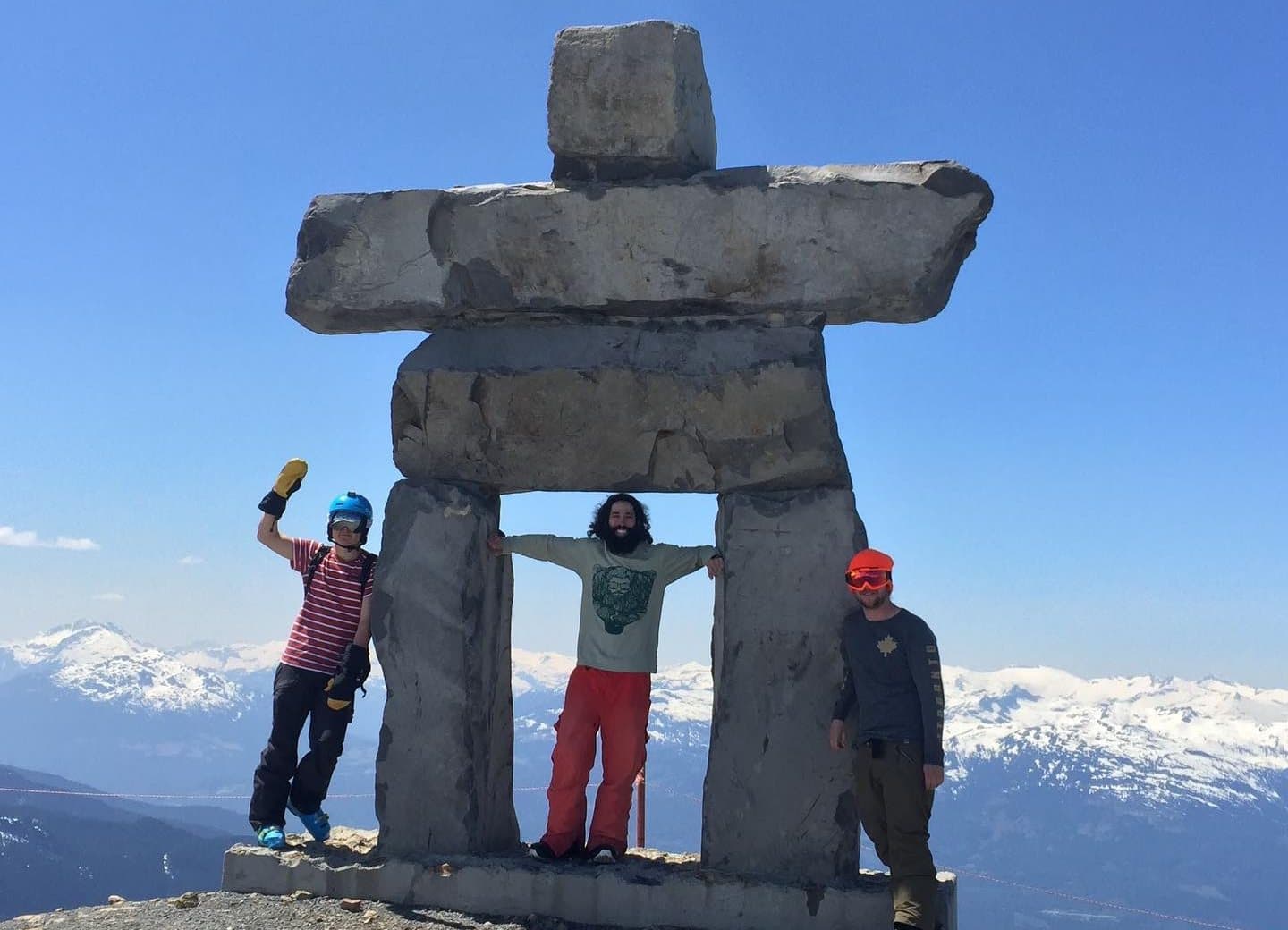
The easiest way to find people for a ski trip is to start with people you have already ridden with for a day. If that list is short, a ski club or an organized group trip is the next best source. Ride together once before you book anything, then put lodging, costs and dropouts in one written message before anyone pays a deposit. The most useful line in that message is a drop-out date about a week before the lodging's free-cancellation deadline, so the group can still fill a spot or cancel for a full refund.
A trip is a bigger ask than a day on the hill. You're sharing a car, a kitchen and maybe a room for several days, so the fit matters more than the dates. SkiBuds itself started here. Stephen Phillips's first idea was a way to find people to share accommodation with, and it grew into an app for finding people to ride and carpool with, built during his 2018/19 season at Whistler.
The best trip partners come from day trips
- People you already ride with. You already know their pace and whether they show up on time. How to find ski buddies and how to find snowboard friends cover building that crew. If you have just moved, making friends in a ski town starts with people you can see again each week.
- Ski and snowboard clubs. Many clubs run weekend and week-long trips with lodging and transport already booked, which takes most of the planning off your hands. How to join a ski club covers what to ask before you pay.
- Organized group trips. Some shops, outdoor groups, alumni associations and workplaces run trips open to people who sign up alone, so everyone else on them is there to meet people too.
- Online groups for your city or mountain. Useful for finding people heading the same way on the same dates, as long as you post the details and not just "anyone want to go?" The template below helps. Women looking for women to travel with can start with the communities in women's ski groups and meeting partners safely.
Some of the best trips come from saying yes to someone you met on a day trip. In March 2020, Stephen rode two days at Whistler with a rider named Aodhgan, whom he had met through the original SkiBuds app. Aodhgan mentioned he was heading to Kicking Horse, Stephen took him up on it, and they rode Kicking Horse's last day of the season, then the last day at Lake Louise. He tells it in the history of SkiBuds. Note the order, though: two days riding together came first.
Ride together before you book
A single day at your local mountain tells you most of what a week would. Watch the pace and the terrain first. One of you wanting groomers until lunch while the other wants trees from first chair is fine for a day and hard for a week, though skiing with friends of different abilities shows how mixed groups make it work. Then notice the timing: first chair or a slow breakfast, last chair or après at two. And watch how they handle a bad patch, because wind holds, flat light and long lift lines happen on every trip.
You can't always ride together first. If you live in Texas or Florida, there's no local hill for a test day. Then let a club carry the risk. The National Ski Council Federation lists councils in exactly those places, the Texas Ski Council and the Florida Ski Council, and on a club trip the organizer holds the booking and sets the cancellation terms. A bad fit there costs you some company at dinner rather than a fight over a deposit.
The meetup planner turns the mountain, time, terrain and meeting point for that first day into a message you can send.
Choose the destination together
Decide where before you split anything, because the destination sets most of the costs. Pick somewhere that suits the whole group's terrain and budget, and check which pass, if any, covers it. The mountain region guides and resort guides cover terrain by ability and snow forecasts, so everyone can compare options before anyone books. If someone in the group snowboards, confirm the mountain allows it: a few, including Alta and Deer Valley, are ski-only, as how to find snowboard friends explains.
If friends hold different passes, complete the group pass-access and budget check before choosing lodging. It compares the cost for each person, including anyone who needs separate tickets, and separates pass access from lift and parking reservations.
Set the drop-out date from the lodging's cancellation policy
A disagreement about runs fixes itself on the next chair. A disagreement about a deposit lasts until somebody pays, and the lodging decides how big it gets. Airbnb's standard cancellation policies show the usual range. Under Flexible, guests can cancel until 24 hours before check-in for a full refund. Moderate moves that deadline to five days, Limited to 14 and Firm to 30. Under Firm, cancelling between 30 and 7 days out returns half, and inside the last week only the taxes come back. Each listing shows its policy before you pay, under "Things to know." A few hosts use stricter policies that Airbnb offers only by invitation, Strict and two Super Strict versions. Under Strict, once the first 24 hours after booking have passed, the most you get back is half. If a listing has no free-cancellation date, there's no deadline to set the drop-out date against: agree on the rule before anyone books, and treat each share as paid once the booking goes through.
What the policy page can't tell you is how a group splits a refund. The policy binds whoever made the booking and nobody else: one person's card holds the reservation, and the rest are trusting a group chat. That's why the written message matters, and why its most important line is a date.
Here's how it plays out, with made-up numbers. Say four of you book a two-bedroom condo near Breckenridge for three nights in February, $1,200 in total, so $300 each, under a Firm policy. Full refunds end 30 days before check-in, so set the group's drop-out date at 37 days out. Anyone who drops before then costs nobody anything: you have a week to find a fourth, or you cancel the whole booking for a full refund. Two weeks out is different. Cancel then and the policy refunds half, so roughly $600 of the group's money is gone for a trip nobody took. Keep the booking and the other three owe $400 each for a trip they budgeted at $300, unless the message already says "after the drop-out date, your share stands unless you find a replacement." Then the person who dropped pays their $300 or finds someone. The same message can settle the rooms: if two people take the queen bedroom and two share the bunk room, the queen room might pay $350 a head and the bunks $250, which still adds up to $1,200.
Put these in that one message, and have everyone reply to confirm it:
- Lodging. Who books it, the total cost, how it splits and who sleeps where.
- The drop-out date and the rule after it. The date comes from the cancellation policy; the rule can be as short as "your share stands unless you find a replacement."
- Transport. One car or several, how fuel and parking are shared, and who drives on snowy roads. How to plan a ski carpool has a checklist.
- Lift tickets and passes. Who already holds a pass that covers the resort, and whether anyone needs to buy tickets ahead.
- Food. Shared groceries split evenly, or everyone on their own. Either works if it's agreed.
- Names and a way home. Every guest on the reservation, or known to the host. Each person's own way back if they need to leave early. A plan if a storm closes the road, checked against the forecast for your dates with how to read a ski resort snow forecast. And tell someone at home who you're going with and where you're staying.
The safety page explains how reporting, blocking and moderation will work in the rebuilt SkiBuds app.
A message you can post
"Planning a [number]-day trip to [resort or region] around [dates]. Riding [terrain and level], usually [first chair or later start]. Looking for [number] people to share [lodging type] at about [cost per person] plus transport from [general area]. Happy to ride a local day first. Message me if you're interested."
Share only your general area in public, and swap details privately once you've decided who to go with. SkiBuds is being rebuilt for iOS and Android with mountain conversations, including carpools, and the new app is coming soon.
If you'd happily share a chairlift with someone at three in the afternoon, in flat light, after a long lift line, you can probably share a kitchen with them for a week.