Choose a mountain everyone can join
How to plan a ski trip when your friends have different passes
Plan a group ski trip across Epic, Ikon and local passes. Check access, dates and reservations, then compare each person's real trip cost.
By SkiBuds · Updated
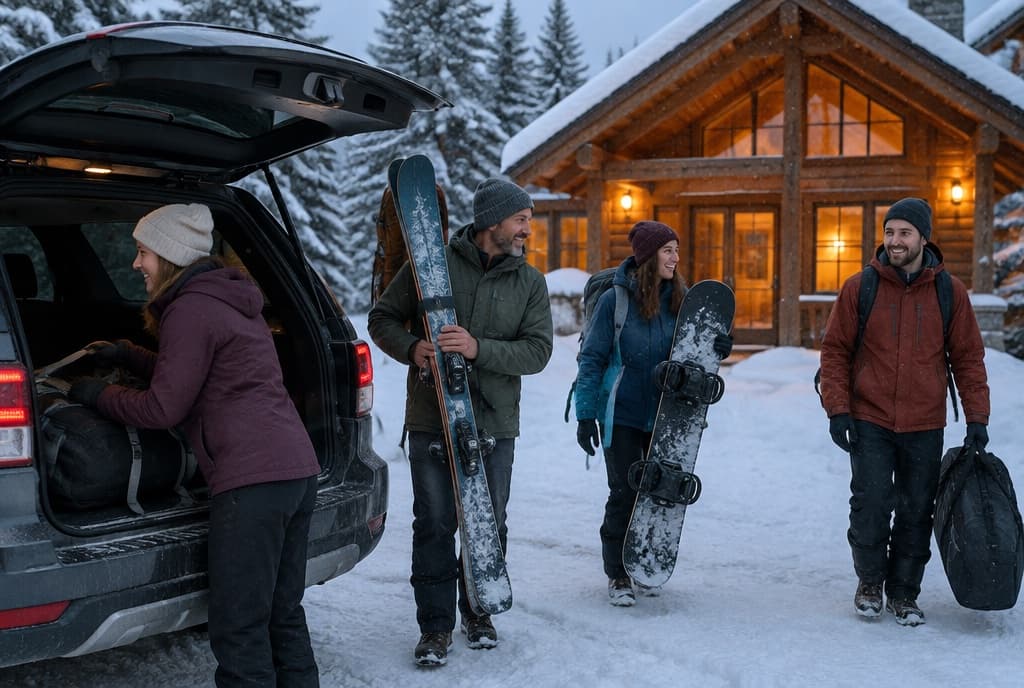
When friends have different ski passes, choose a mountain by checking each person's exact pass and dates, then comparing the extra cost each would pay to join. “I have Epic” or “I have Ikon” is not enough: the product, season, destination, remaining days and restrictions matter. Agree on that access check before booking shared lodging.
The best group choice might be a mountain covered by several people's passes, a day-ticket mountain that costs everyone about the same, or two separate ski days with shared evenings. Start with what each person can afford for this trip, including the friend who has no pass.
Make one access row for every person
Ask each rider to fill this in privately or in the trip chat. Share the product name and confirmed access details, not an account password, pass barcode or payment information.
| Detail | What to write |
|---|---|
| Exact pass | Full product name and season from the account or purchase receipt |
| Mountain and ski dates | Every day you intend to ride, not just arrival and departure dates |
| Included access | Whether that product covers that mountain on those dates |
| Days remaining | Enough for this trip, including any allocation shared across destinations |
| Reservations | Whether lift access requires a reservation and whether it is confirmed |
| Additional ticket cost | The actual checkout quote for any uncovered days |
| Other requirements | Ticket-window pickup, parking reservation or lesson-area access |
For Ikon products, the official pass comparison separates access by pass tier and marks shared day allocations. Its how-to-use guide distinguishes direct-to-lift destinations from places requiring window check-in and explains that some destinations require lift reservations. For Epic products, My Epic account information includes destination access and restricted peak dates. Use the person's account and the destination's current instructions together.
These sources were checked on October 28, 2026. Recheck the live rules for your own travel dates. This guide gives you a planning method rather than an access guarantee or a current ticket-price list.
Pass access, lift reservations and parking are different checks
A mountain being included on a pass does not answer whether you have a reservation for the intended date, if one is required. A lift reservation does not answer where you can park. Treat all three as separate fields in the plan.
That distinction also matters for a late addition to the group. Someone may have the same pass as everyone else but still need to confirm the required reservation. Avoid “we've got you covered” until that person has checked their own access.
Before paying for accommodation, have every rider confirm:
- Their exact product covers each planned day, or they accept the quoted extra ticket cost.
- They have enough unused access days, including any shared destination allowance.
- Any required lift reservation is confirmed for them.
- The transport plan works with the destination's parking or shuttle arrangements.
The resort directory links to official mountain information, and the carpool guide covers the transport side. Check the actual destination even if you visited last winter.
Compare extra trip cost, person by person
For this particular trip, a pass somebody already bought is a past expense. The planning question is how much more each person must spend to take part. Include tickets they still need, their share of transport and lodging, and any rentals or lessons. A pass purchase for the trip belongs in that person's comparison too.
Here is a fictional two-day example for three friends. The figures are invented to show the calculation, not quotes from any mountain. Shared transport and lodging cost $180 per person in both options; meals and equipment are excluded equally.
| Person | Option A: two people have access | Option B: everyone buys tickets |
|---|---|---|
| Alex | $180 shared costs + $0 tickets = $180 | $180 + $120 = $300 |
| Bo | $180 shared costs + $0 tickets = $180 | $180 + $120 = $300 |
| Casey | $180 shared costs + $300 tickets = $480 | $180 + $120 = $300 |
| Whole group | $840 | $900 |
Option A is $60 cheaper for the group, yet costs Casey $180 more than Option B. If Casey's budget is $350, the lowest combined total does not solve the problem. You could choose Option B, shorten the trip, find a cheaper ticket option, or agree voluntarily to share some costs differently. Put any agreed split in writing before someone pays.
Use the carpool cost calculator for fuel or charging, parking and tolls, then add lodging and each person's lift access separately. Check both the group total and the highest individual cost.
Check a friend-ticket offer against the actual alternative
A discount percentage alone does not tell you the final price. Check the destination and date, what price the discount uses, eligibility, how many benefits remain and whether the pass holder must be present to activate or collect the ticket.
For example, the Epic Friend Ticket rules describe discounts relative to window-priced tickets and explain how benefits are shared and redeemed. Compare the resulting quote with the other advance ticket options actually available for the same day. Do not assume a benefit exists on someone's product merely because a different pass includes it.
Have the buyer confirm the final total and cancellation terms themselves. “I can send you a discount” and “you have a valid ticket for Saturday” are different stages of the plan.
If there is no good shared mountain
Choose which part of the trip matters most. If riding together is the point, consider one affordable shared day instead of a full weekend. If the trip is primarily time together away, separate ski days can work with shared meals, provided everybody accepts the extra travel and meeting arrangements.
Avoid building a two-mountain plan around one car without checking what happens to the person who finishes first. A local shuttle can help only if its actual route and operating times fit. Check official transport information before choosing accommodation based on a map.
There is also no need to force every friendship onto every ski trip. You can arrange a compatible riding day through a ski club or look for ski buddies at your mountain, and see friends with different passes another time.
Send the decision before booking
Proposed plan: [mountain], skiing [dates]. Everyone has checked their exact pass or ticket for those dates. Required lift reservations: [confirmed / still pending for whom]. Estimated extra cost per person: [amounts and what they include]. Parking or shuttle plan: [details]. We book lodging only after everyone confirms access, budget and the cancellation arrangement by [time].
For a multi-day trip, use the group ski-trip guide to settle lodging, room splits and dropouts. Once the destination works for everyone, the meetup planner helps turn the decision into a first-morning plan.