Plan a day together
Where to find ski buddies: 7 places that work
Where to find ski buddies: resort groups, r/SkiBuddies, ski clubs, Meetup, lessons, carpool threads and the chairlift, plus a post that gets replies.
By SkiBuds · Published · Updated · Sources & corrections
The best places to find ski buddies are the ones where riders from your mountain already gather: the resort's own community group, the r/SkiBuddies subreddit and your region's ski subreddit, a ski club from the National Ski Council Federation directory, a Meetup skiing group, a group lesson, a carpool thread and the chairlift itself. Pick one mountain and one day, then post a plan with five details: the mountain, the date, the terrain, your pace and a public place to meet. If the day works, name the next one before you leave the parking lot.
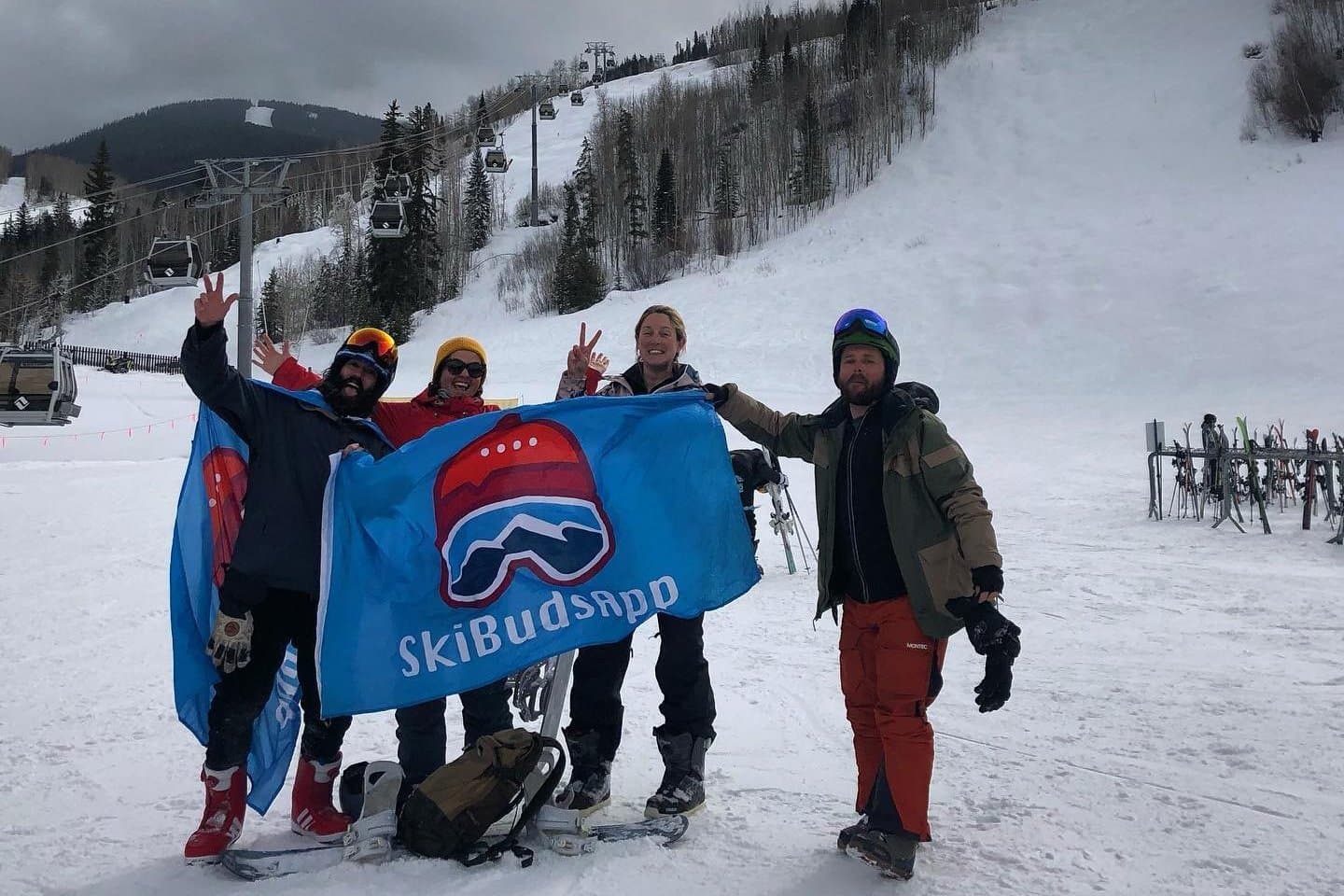
From the SkiBuds archive. Stephen Phillips wrote the first version of the SkiBuds app while riding 153 days at Whistler in 2018/19. By March 2020, when Stephen left Colorado, more than 60 people had been met through it, and by March 2021 the count was past 100, many of them still riding partners. After a first day at Steamboat in March 2020 with a rider met on the app, the SkiBuds account posted: "Paw was able to show me some super fun runs. That's what the app is all about." Finding ski buddies in Colorado tells the story of that season, including a flag rally at Vail that fell apart when the organizer's phone was lost in the Back Bowls. The rebuilt app is coming soon for iOS and Android; the website's meetup planner is available now.
Seven places to find ski buddies
Every channel works for somebody. The one that works for you puts you next to people who ride your mountain on your days.
- Your resort's community group. Search Facebook or the resort's forum for the mountain's name plus "ski buddies," "carpool" or "locals," and pick a group with posts from this month. Everyone in it already rides your hill, so "same time next week" is an easy thing to say.
- Reddit. r/SkiBuddies has a welcome post that calls it "a sub to help you find riding partners in your area," and posts start with a region tag such as [CA] or [Japan], so search your tag first. Regional ski subreddits carry buddy threads too: both posts quoted below come from r/COsnow, Colorado's.
- A ski club. In the US, the National Ski Council Federation directory lists regional councils, from the Arizona Ski Council to the Bay Area Snow Sports Council, and each council lists its member clubs. Its pitch for joining one is blunt: "There will always be someone to ski with." In British Columbia, the Victoria Alpine Ski Club welcomes visitors to its socials and runs member trips to Whistler and other mountains. The club is for adults 19 and older, and trips require membership and a waiver. How to join a ski club covers what to ask before you pay.
- Meetup. Meetup's skiing and snowboarding topic pages list groups by location. Look for one with events on the calendar, not just a member count.
- A group lesson or adult program. The school groups people by ability and an instructor sets the pace. Copper Mountain's adult group lessons page promises first-timers "a supportive group of fellow beginners," and the person beside you in that group already rides at your level. Beginner ski buddies has more.
- A carpool thread. The seat in a car is often the harder thing to find, and the drive is time together anyway. Plan a ski carpool covers cost splits and pickup spots.
- The chairlift. SkiBuds itself owes a lot to the chair: much of the first version came from ideas people gave Stephen on chairlifts and in a four-bed dorm at Whistler. Chairlift etiquette and how to talk on the lift has openers that don't feel forced, and a good chat ends with "Want to take a lap?"
Wherever you post, read the group's rules and use its buddy or carpool thread if it has one. Name your general area in public and save exact pickup details for a private message once you know who you're meeting. The community resource directory lists more places to start. Some searches change the list: snowboarders should check for ski-only resorts, backcountry partners need training and rescue gear before pace, and a multi-day trip needs lodging and money settled before anyone books.
Write a post someone can say yes to
Say your usual crew bails on a Saturday at Stevens Pass. "Anyone want to ski Saturday?" makes everyone else do the planning. This version does it for them:
Skiing Stevens Pass this Saturday, roughly 9 to 1. Blue groomers at a relaxed pace, with a break around 11. I'll be by the ticket windows on the south side of Granite Peaks Lodge at 8:45 in a red jacket. Anyone riding a similar day?
Each line answers a question a stranger would otherwise have to ask. The hours tell an all-day skier this is a half day. "Blue groomers at a relaxed pace" names runs instead of an ability label, which means different things to different people. The meeting spot is public and exact: Stevens Pass puts its ticket windows outside on the plaza. And "a similar day" makes replying cheap, because a reply only has to say that someone's plan already matches yours.
Leave transport out unless you need a ride. A post that asks for a partner and a driver at once is harder to answer than two posts. The meetup planner turns your own mountain, terrain, pace and meeting point into a message you can copy. The rebuilt SkiBuds app, coming soon for iOS and Android, is planned to do the matching part: browse riders by skill level, availability and terrain, send a friend request, then settle the day in private messages or mountain conversations (the SkiBuds ski buddy app).
Weekdays and flaky plans
Two posts on r/COsnow put two familiar problems plainly. In a 2021 thread titled Need weekday riding buddies (Epic pass), a snowboarder wrote: "I rarely ever go on weekends. I'm looking for people to board with during the week." And under a 2024 post about a new ski buddy app, one reply put the other problem in a phrase: "The biggest issue is 'The Colorado Maybe' and people flaking on you or chasing powder."
If you ride midweek, say so in the first line of the post, with the days you can actually ride: "Tuesdays and Thursdays at Copper" finds the other weekday riders faster than "anyone around?" Post the same plan in your mountain's group and in r/SkiBuddies under your region tag, and ask in a club about midweek trips. The pool is smaller on a Tuesday, so cast wider.
A maybe is cheaper to plan around than to argue with. Three habits take most of the sting out of it:
- Confirm the night before, at a set time. "I'll check in at 7 tomorrow evening" turns a maybe into a yes or a no while there's still time to find someone else.
- Keep a backup partner. When two people answer a post, thank both and keep the second in the loop. If the first drops out, you have a message ready instead of a new post to write.
- Name a public meeting time and a 15-minute wait rule. Fifteen minutes past the time, send one message saying where you're riding and when you'll be back at the meeting spot, then go. The meetup checklist explains why the rule ends in a message, not a longer wait.
Powder is the hardest test. If a storm might change someone's mind, agree on the call before it lands: plan a powder day with friends sets a morning check with three answers, go, later or cancel.
Keep the first day short and public
Meet at the base, at the spot you named. Swap numbers in case someone runs late, agree where to regroup if you get separated, and leave either of you free to finish early. Two laps will tell you whether your paces work, and nobody has to ride every run together after that; if your paces differ, skiing with friends of different abilities shows how to split laps and share breaks. Keep the drive separate until you've skied together once, and tell someone at home who you're meeting. The first-meetup checklist puts the full list in one message.
Splitting up later is fine on groomers. In the trees on a deep day it isn't: Deep Snow Safety, a tree well safety site from Northwest avalanche and ski-area professionals, tells riders to "ride or ski with a partner and keep your partner in sight at all times." No friends on a powder day? covers how to stay in sight.
The second day matters more than the first
Say the two laps went well. Jeffrey Hall at the University of Kansas surveyed adults who had recently moved and were looking for friends. His estimate: roughly 50 hours to go from acquaintance to casual friend, and more than 200 to become good friends. Call a ski day six hours from the meeting spot to the parking lot: 50 hours is eight or nine full days. Treat that as a rough scale, since the hours were people's recollections and the participants weren't skiers. It still rules one thing out: no single introduction does the work. A day you can repeat does.
Maybe you don't want a friend. You want someone to ski with on Saturday, and the post above gets you that. If that's all you want, you can stop reading here. But a partner you never see again has to be found again next weekend, and the weekend after, each time with a new post and two more tryout laps. Each repeat day takes a step out of the search. By the third, there's nothing to post, only a text to send.
Ask for the next day in the parking lot
A message three days later competes with everything else in someone's week. In the parking lot, boots still on, you have their full attention, and the whole plan fits in one line: "Next Saturday, same spot, 8:45?"