Find your mountain community
How to join a ski club and find people to ride with
Find US ski clubs, trips from Toronto and Victoria, or social skiing at your resort. Compare membership, lessons and costs before joining.
By SkiBuds · Published · Updated · Sources & corrections
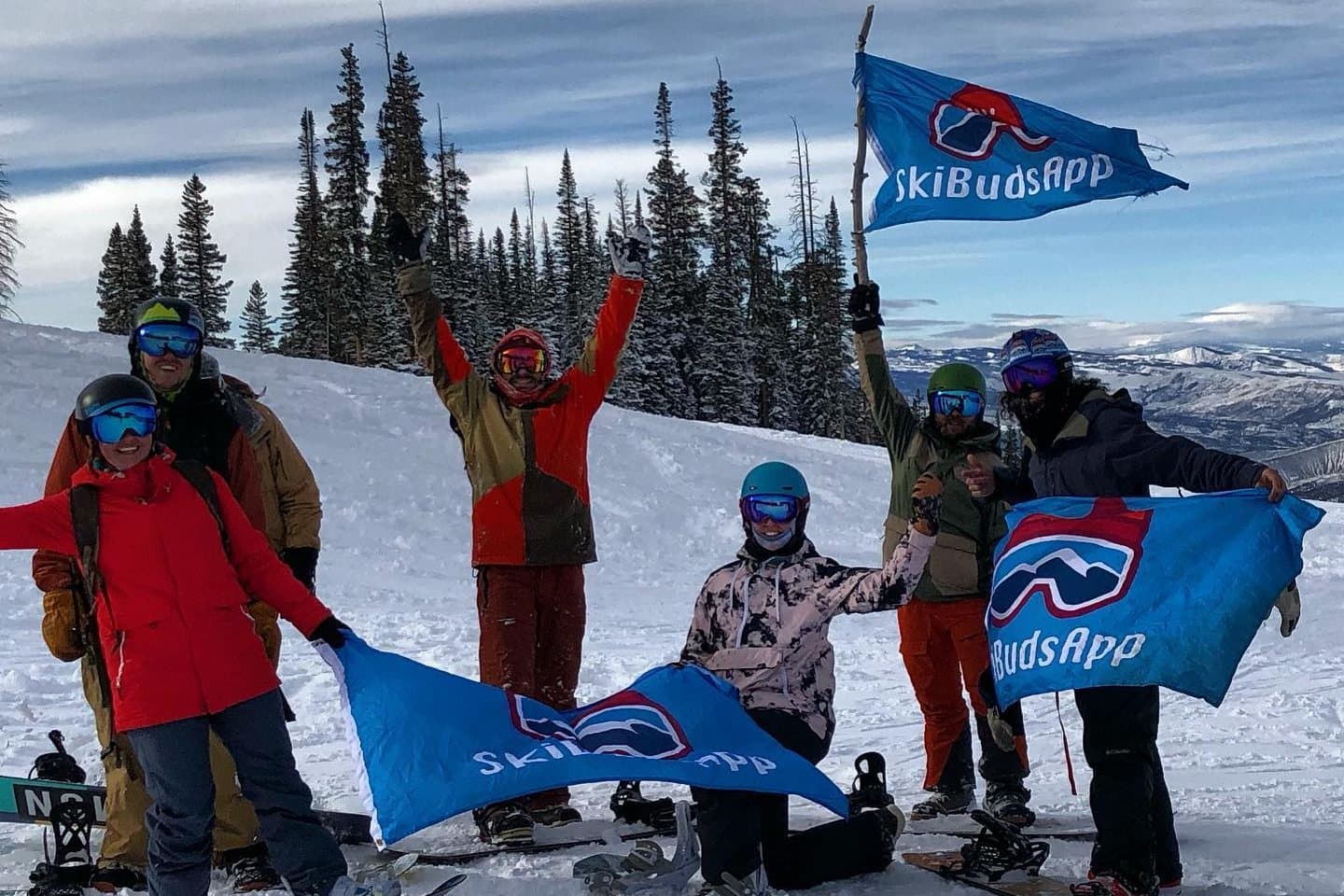
To join a ski club, find a club near home or a social skiing group at your destination, read its trip calendar, then ask one question before you pay: will I ride with these people, or only travel with them? In the United States, the National Ski Council Federation's directory of regional councils is a starting point. Its list includes Florida, Texas and Chicago, so you can look for a club even if your nearest mountain is a flight away. For trips from Toronto or Victoria, or social skiing at selected European resorts and Whistler, see the options below.
That is the real case for a club. It turns finding people into showing up: the same faces on a January day trip and again on a March weekend, without you organizing either one.
Find US ski clubs through the council directory
The National Ski Council Federation's member-council page lists about 30 US councils, from the Los Angeles Council of Ski Clubs to the Metropolitan New York Ski Council, and links to Eastern, Central and Western pages where each council has its own listing. The Bay Area Snow Sports Council's listing, for example, names 19 member clubs, from the Alpineer Ski Club to the Sunburst Ski Club, and gives a council contact. Pick the council that covers where you live, then go to each club's own website for its current calendar and dues.
One name on the federation's list is easy to miss because it appears under an older name. The National Brotherhood of Skiers, now the National Brotherhood of Snowsports, was the first national organization of predominantly Black ski clubs, and its site sorts member clubs into Western, Rocky Mountain, Midwest and Eastern regions. Outside the federation, SkiBuds' community resource directory links to SnowPals for the San Francisco Bay Area and Tahoe. Some resorts and towns also have social clubs that appear in no national list, so search your mountain's name with "ski club" too. SkiBuds is being rebuilt for iOS and Android as another route, and the new app is coming soon (see the launch status).
Two routes outside the US council directory
Choose between a group that travels from your city and one that meets at the mountain. These are specific starting points, not directories for every Canadian or European resort. The Toronto and resort Rep details were checked on October 29, 2026; the Victoria details were checked on November 6, 2026.
- Toronto: a travelling ski and snowboard club. High Park Ski Club runs day trips, overnight trips and longer trips for adults aged 21 and over. Its membership and lesson eligibility page describes paid membership and included ski and snowboard lessons for people with some experience. Check that your experience meets the lesson requirements, then confirm the outing's pickup point, available places and separate trip costs. If you have never skied or snowboarded, ask the club which first lesson to take before joining a trip.
- Victoria: a club with trips to Whistler and the BC Interior. Victoria Alpine Ski Club welcomes visitors to its socials and organizes carpool ski and snowboard trips for members. The club is open to adults 19 and older; trips require current membership and a waiver. Check its current calendar, trip availability, costs and terms before joining.
- Selected resorts in Europe and Whistler: meet members already on holiday. Ski Club of Great Britain Reps are volunteer members who organize social meetups and bring members together on the slopes. The club describes this as social skiing without formal guiding; arrange instruction separately if you need it. Check membership requirements and the Rep calendar for your resort before booking. Its Whistler Rep calendar for 2026/27 currently lists January 23 to April 10, 2027, with Saturdays as the Rep's day off or changeover day. Other resorts have different dates.
The community directory keeps these official links together. Use the beginner ski buddy guide if your first question is whether you need a lesson, a beginner outing or someone to practise with.
Price a club trip against booking it yourself
Read the federation's pitch with care. Under "Why You Should Ski with a Ski Council Club," its page lists "25-50% discounts on Lift Tickets" and "15-33% discounts on Ski School & Rentals," with no conditions attached. It doesn't say discounted from what, on which trips, or how a whole package compares with booking the same days yourself. For any one trip, ten minutes with a calculator answers that.
Use the ski carpool cost calculator for your share of fuel or charging, parking and tolls. Add lodging and lift tickets separately before comparing the totals.
Here's the check with made-up numbers. Say a club near Philadelphia lists a weekend at Killington for $425 a person: the bus, two nights in a shared room and two days of lift tickets. Price the same weekend yourself. Say your half of the gas and tolls, splitting the drive with a friend, is $90, your half of a hotel room is $220, and two days of tickets bought online are $280. That's $590, so the club saves you $165 and does the booking. Now say you already hold a season pass that covers Killington. Your own total drops to $310, and the club trip costs $115 more, unless the club offers a price without the tickets. Ask before you pay.
The gap, either way, is what you're paying or saving for someone else to organize the weekend and for a group to ride with. Whether you actually get the group is a separate question.
Tell a travel club from a riding club
Clubs differ most in what happens once you reach the mountain, and the trip page rarely says. A travel club books the bus, the lodging and discounted tickets, then lets everyone ride with whoever they like. It suits people who already have a friend or two, or who are happy to meet people at dinner and pair up the next morning. A riding club puts people together on the snow: a host who meets newcomers, then groups sorted by ability for the first laps. If you're joining to find people to ride with, that difference decides whether you spend Saturday with the club or on your own. It also decides what the $115 in the example bought: a group to ride with, or a seat on a bus.
Sorting by ability also answers the usual objection to clubs, that they're for retirees: on the snow, a riding club puts you with people at your level, whatever their age. Who's on the bus is harder to judge from a distance. The federation's directory lists no ages, and the names won't settle it either, since one council's list includes both Rusty Bindings and Blade Runners. A club's trip calendar will. A calendar full of midweek trips fills with people who have weekdays free, while Saturday day trips and evening socials suit members with jobs. If you'd rather ride with people your own age, ski buddies over 50 lists clubs for 50+, 55+ and 70+ skiers and weekday senior clinics.
The same club can be both kinds, trip by trip, which is why the questions below are about one specific outing.
What to ask before you join
- Is there a newcomer event, or a host who introduces new members on the first day?
- Do other women ride in the groups? If you'd rather start with a women-run community, see women's ski groups and meeting partners safely.
- Are riders grouped on the mountain, or is this mainly shared travel?
- How does the club describe ability, terrain and pace?
- Is there a lower price if I already have a pass that covers the mountain?
- Are snowboarders included, and does every mountain on the itinerary allow snowboarding? (A few, including Alta and Deer Valley, don't. See how to find snowboard friends.)
- Where and when does the group meet, leave and get back?
- Which costs are included, and what are the cancellation terms?
When the organizer asks about your riding, describe it concretely: "I like groomed blue runs, take breaks, and want a few relaxed laps with people." That tells them which group to put you in. If you'd rather write first, adapt this:
Hi, I'm new to the area and looking for ski or snowboard friends for resort days. I usually ride groomed runs at a relaxed pace. Do you have a newcomer meetup, or an upcoming day trip where riders group up on the mountain? I'd like to understand the meeting point, costs and return plan before signing up.
Change the terrain and pace to match your own, and keep personal contact details for your direct conversation with the club. The mixed-ability guide covers agreeing on terrain and regroup points once you're there.
Make the first trip a day trip, and use the bus home
Use the answers to pick the first outing: a day trip before a week away, with a host who meets newcomers, and riders grouped on the mountain if the club does that. Ask the organizer who usually comes, too. Use the first-meetup checklist to confirm the destination, lift access, meeting point and return. If the club offers a carpool, agree on seats and costs with the ski carpool guide. Before leaving, check the mountain forecast and the relevant official road service, because a club itinerary doesn't replace current travel and resort information.
Clubs work because they repeat, and friendship takes repeated days; how to find ski buddies puts a number on how many. By the bus home, you'll know which kind of trip you were on. If you spent the day riding alone, ask the organizer which outings group riders on the mountain, and make one of those your next trip. If you rode with even two or three people whose pace matched yours, ask which trip on the calendar they're signing up for next, and put your name on the same one.