Plan a day together
How to get ready for ski season with your riding friends
Get ready for ski season: check boots, bindings and helmet, ease your body back in, sort passes and travel, and plan an easy first day with friends.
By SkiBuds · Updated
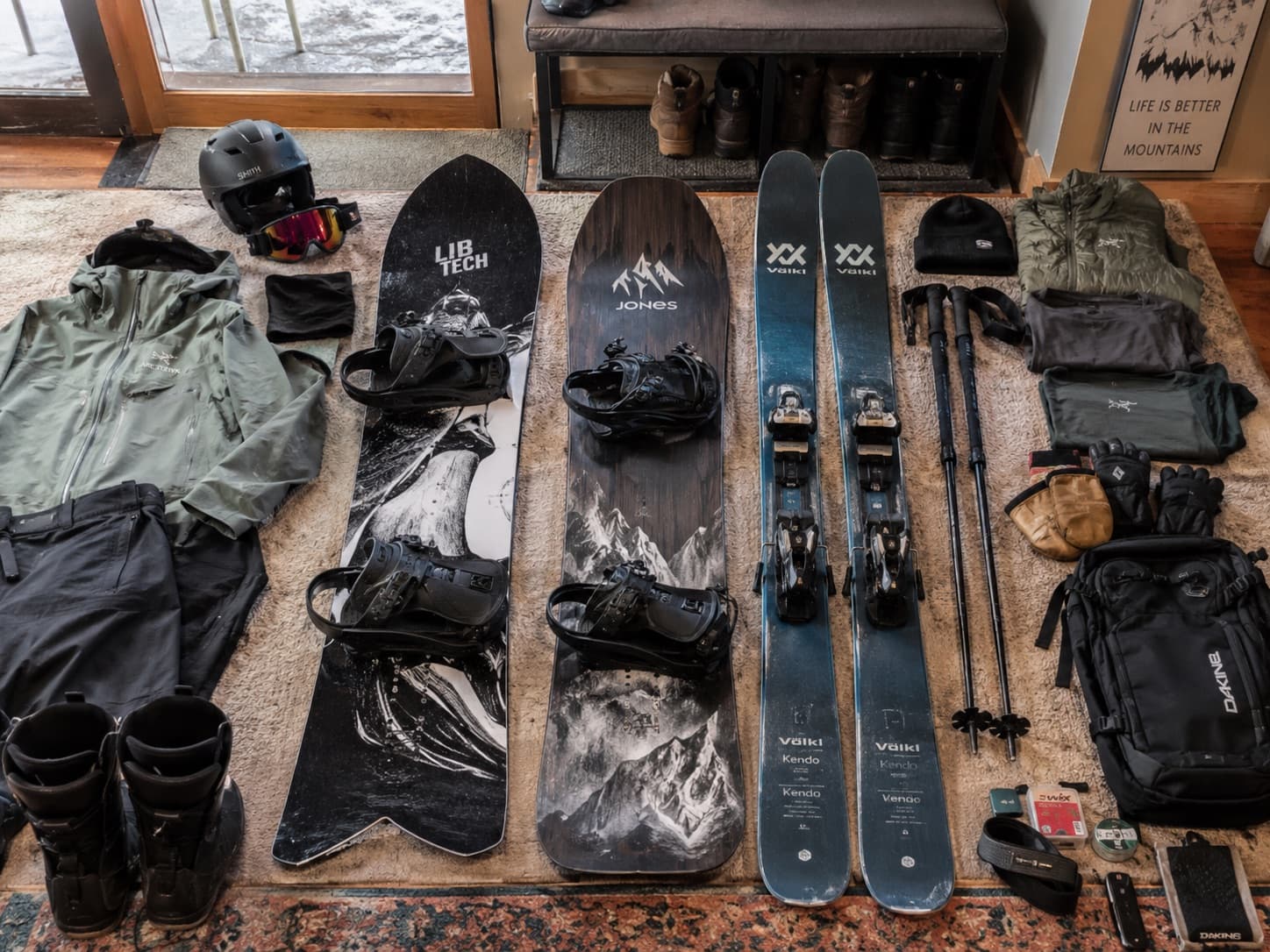
Get ready for ski season in four parts: check your gear before the first snow, ease your body back into moving, sort passes and travel early, and plan a first day that suits everyone in the group. Doing this in the fall means the first good forecast becomes a trip, not a scramble.
This guide covers lift-served skiing and snowboarding at a resort. It is general preparation advice, not medical or equipment-fitting advice. A shop technician, an instructor or a health professional can assess your own situation.
Check your gear before the first snow
Start with the equipment that keeps you in control.
- Boots. Put them on at home and wear them for a while. Check for cracked shells, worn soles, broken buckles and liners that have packed out. Boots that were tight last spring can feel different after months in storage.
- Bindings. Have ski bindings inspected and adjusted by a qualified shop technician, especially if your weight, ability or boots have changed. Snowboarders can check that binding screws are tight and straps and ratchets work.
- Skis and boards. Look for core shots, damaged edges and dry, white bases. A tune and wax before the season is a common shop service.
- Helmet and goggles. Check the helmet's fit and condition, and follow the manufacturer's guidance on replacement, especially after an impact. Make sure goggle lenses suit the light you usually ride in.
If you rent, book early for busy weekends and bring the details the shop asks for, such as height, weight and ability. Our glossary of mountain planning terms explains the terrain and lift words you will see on rental and lesson forms.
Ease your body back in
Your first day back uses muscles that may have been quiet since spring. Build up gradually over the weeks before your first trip rather than expecting one session to make up the difference. General physical activity guidelines from the US Department of Health and Human Services are a sensible baseline for regular movement.
Mobility work helps many riders feel looser on the hill. One rider shared an at-home yoga sequence for snowboarders and skiers focused on the hips and legs. If you are coming back from an injury or have a health condition, ask a professional what is appropriate for you before you start.
On the mountain, plan shorter first days and take breaks. Fatigue often shows up late in the day, so the last run does not have to be the hardest one.
Sort passes, reservations and travel early
Resort policies change from season to season, so check the details on each mountain's official site before you commit.
- Passes and tickets. Compare season passes, multi-day tickets and any blackout dates against the days your group can actually ride.
- Parking and reservations. Some resorts use paid parking, parking reservations or a shuttle on busy days. Read the arrival information for the base area you plan to use.
- Lessons. If anyone in the group is new or returning after a long break, look at the resort's lesson options. Ski school programs often fill up on holiday weekends.
- Travel. Decide who drives and how the cost is shared before the first storm. The ski carpool planning guide covers pickup points, gear space and return times.
The SkiBuds resort directory links each mountain's guide to its official resort site, so you can check access and arrival details in one place.
Plan an easy first day with friends
The first day of the season is a good day to ride below your usual limit. Pick runs everyone in the group is comfortable on, agree on a pace and a regrouping point, and save harder terrain for later in the day or the season.
Review the NSAA Your Responsibility Code together. It sets out the basics of sharing the slopes, such as staying in control, yielding to people below you and obeying closures.
Before you leave, read the forecast for the hours you plan to ride. The guide to reading a ski resort snow forecast explains snowfall, timing and elevation. If your group mixes abilities, the guide to skiing with friends at different abilities has a format for splitting up and meeting again.
Backcountry travel is a different activity with different preparation. Check the forecast from your local avalanche center through Avalanche.org and get proper training before leaving the resort boundary.
A season prep checklist you can copy
“Season prep: boots tried on and checked; bindings inspected by a shop; skis or board tuned; helmet and goggles checked; rentals booked if needed; pass or tickets sorted; parking or reservation rules checked for [resort]; lessons booked for [names]; carpool plan agreed; first day set for [date] on easy terrain, meeting at [public point] at [time].”
Looking for people to ride with this season? Start with how to find ski buddies and the first meetup checklist. The SkiBuds app is coming soon to iOS and Android; the guides and forecasts on this site are available now.